
Ford Racing is continuing to ramp up development ahead of its eagerly-anticipated debut in the FIA World Endurance Championship’s headlining Hypercar category next year, promising to ‘arrive ready’ when it joins the grid for the opening round of the series’ 2027 campaign.
A regular on the LMGT3 scene with partner Proton Competition, the American automotive giant will step up to FIA WEC’s top-tier next year, as the famous ‘Blue Oval’ bids to recreate former glories at the 24 Hours of Le Mans while simultaneously doing battle for world championship honours.
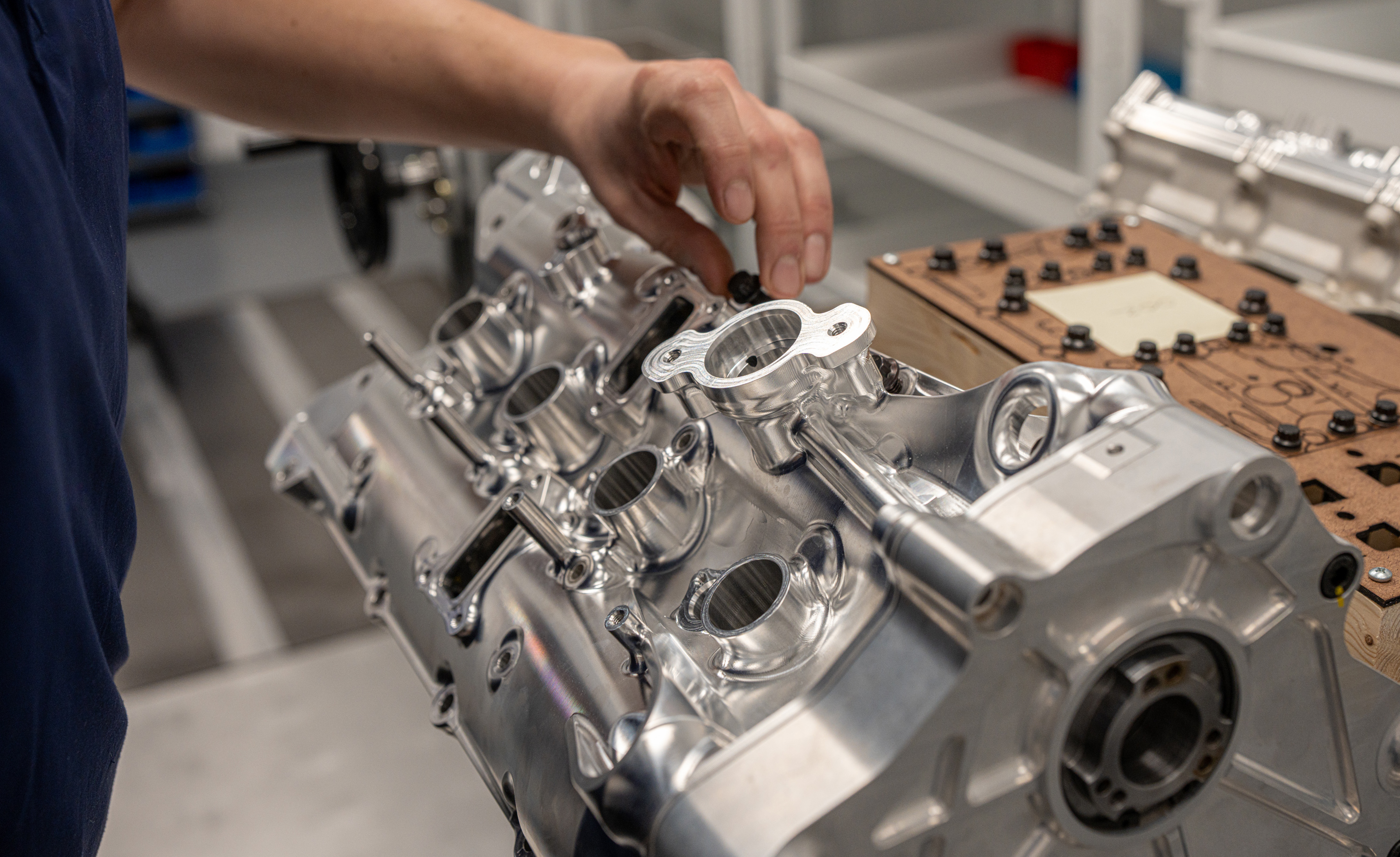
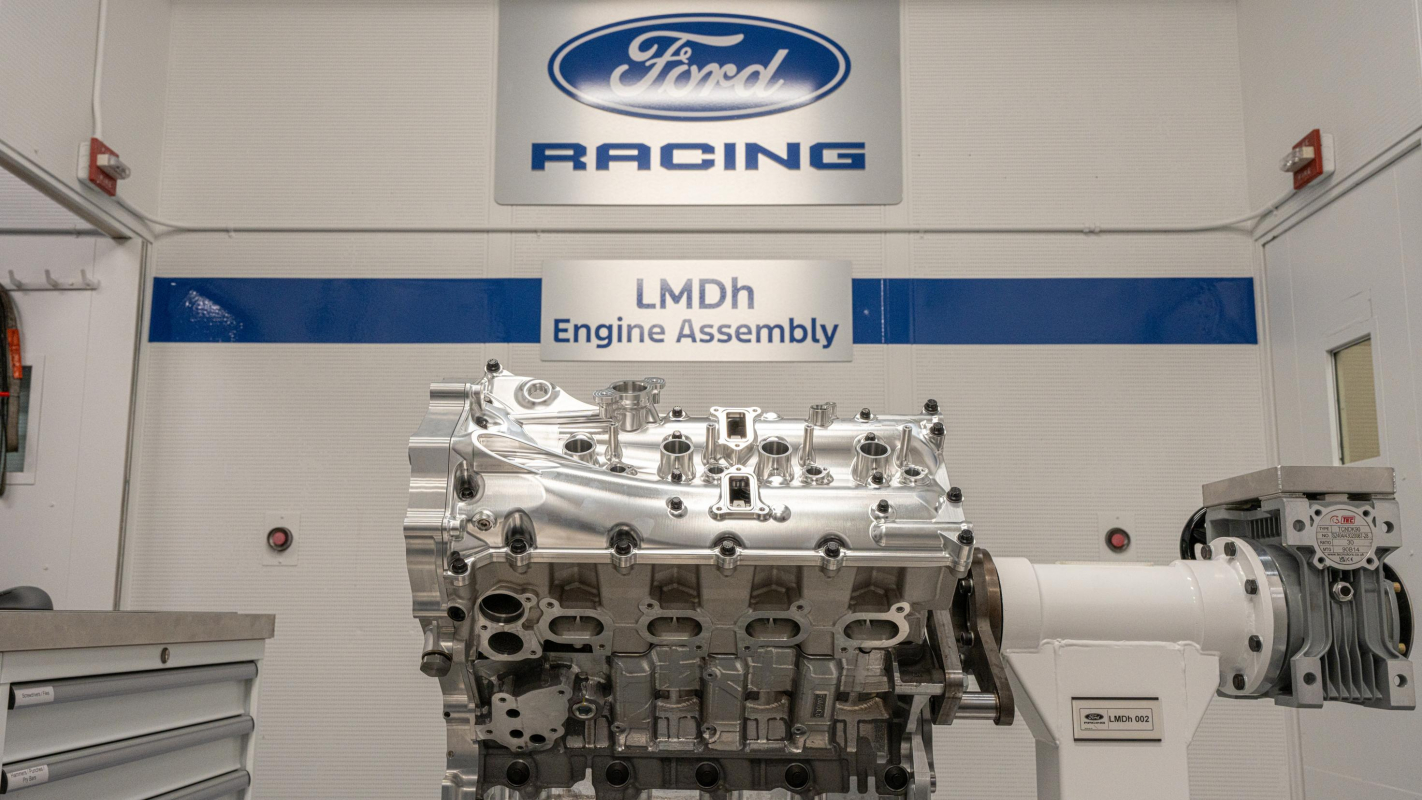
Official testing of the Michigan-based brand’s new Hypercar is just around the corner, and Ford has already been putting the prototype’s in-house, 5.4-litre, naturally-aspirated Coyote V8 powerplant through its paces on its Dearborn dyno, on which it has recreated an entire lap of France’s iconic, 13.626km Circuit de la Sarthe to validate progress before the car takes to the track in real life.
“We don’t wait for the racetrack to start learning,” explained Ford Racing Powertrain Chief Engineer, Christian Hertrich. “We can’t afford to. Every time we fire up our dyno cell in Dearborn, the room holds its breath. Then the engine catches, the numbers climb and for a few minutes, we’re not in Michigan anymore – we’re at Le Mans, with every gearchange, every braking zone and every full-throttle charge modelled in real time.
“The engine doesn’t know the difference, but your ear can tell when it’s at wide-open throttle and rockets past 9,000rpm. That’s what a world-class virtual proving ground buys you, and this engine work has been going on behind-the-scenes for months. Build the engine, interrogate it and let the data tell us where the real work is – it’s a lesson that Ford Racing has carried over from its various other motorsport programmes into endurance racing.”
Indeed, Ford was founded off the back of sporting success well over a century ago, when Henry Ford piloted his own Sweepstakes design to victory in a ten-lap race around a one-mile Detroit oval in 1901. Six-and-a-half decades later, the company ended a run of six straight Ferrari triumphs at Le Mans, with the GT40 going unbeaten in the legendary twice-round-the-clock contest for four consecutive editions from 1966 to 1969.
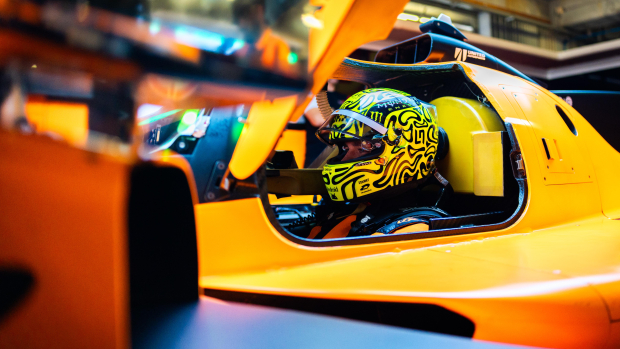
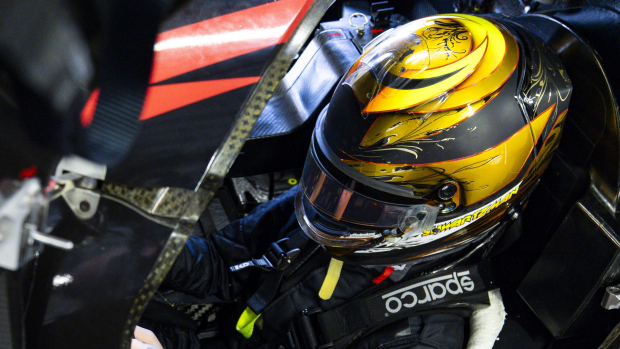
That similarly yielded ‘learnings’ for the current project, Hertrich reveals, with the Hypercar test chamber located mere yards from where the GT40 was honed and fine-tuned all those years ago, while drivers Logan Sargeant, Mike Rockenfeller, Sebastian Priaulx, Matt Campbell, Tom Blomqvist and Nick Yelloly have concurrently been busy racking up the miles on the simulator at Ford’s Technology Centre in North Carolina.
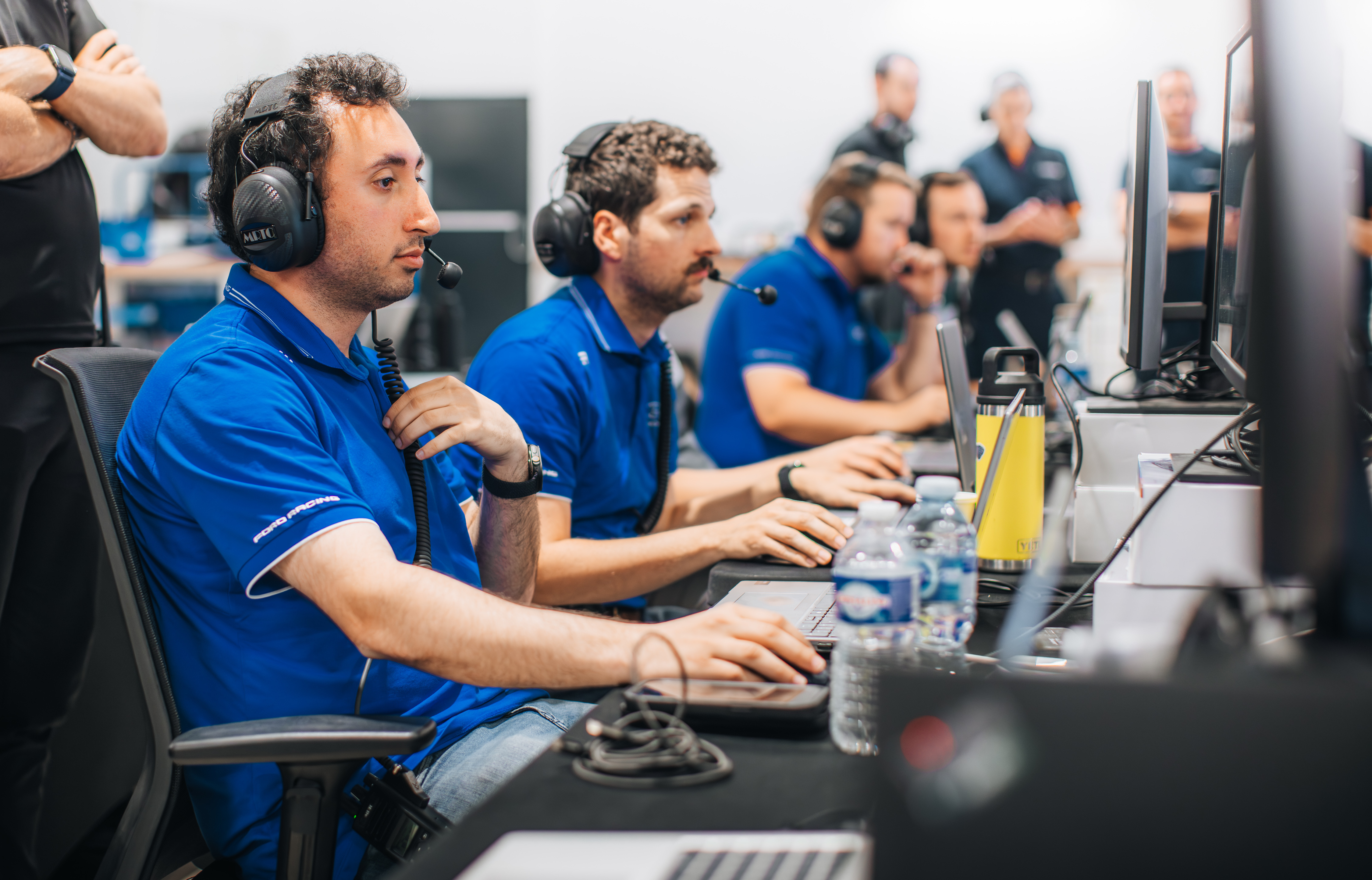
“What we learned then [with the GT40] informs what we do today, and what we do today will inform the future,” Hertrich acknowledged. “That’s what makes this programme so exciting. Our Hypercar drivers are feeling the car before they’ve turned a single wheel on-track, and every detail gets refined because when we reach Le Mans, there can be no surprises.
“We’re days from our first test, but every dyno session and every hour [on the simulator] is essential for our preparation. We intend to arrive ready. And ready we will be.”
All of FIA WEC. All of endurance racing’s greatest battles. Watch live and on demand with FIAWEC+ – the official streaming platform of the FIA World Endurance Championship, wherever you are, whenever you want, including the legendary 24 Hours of Le Mans. Stream FIA WEC live with FIAWEC+.